✖
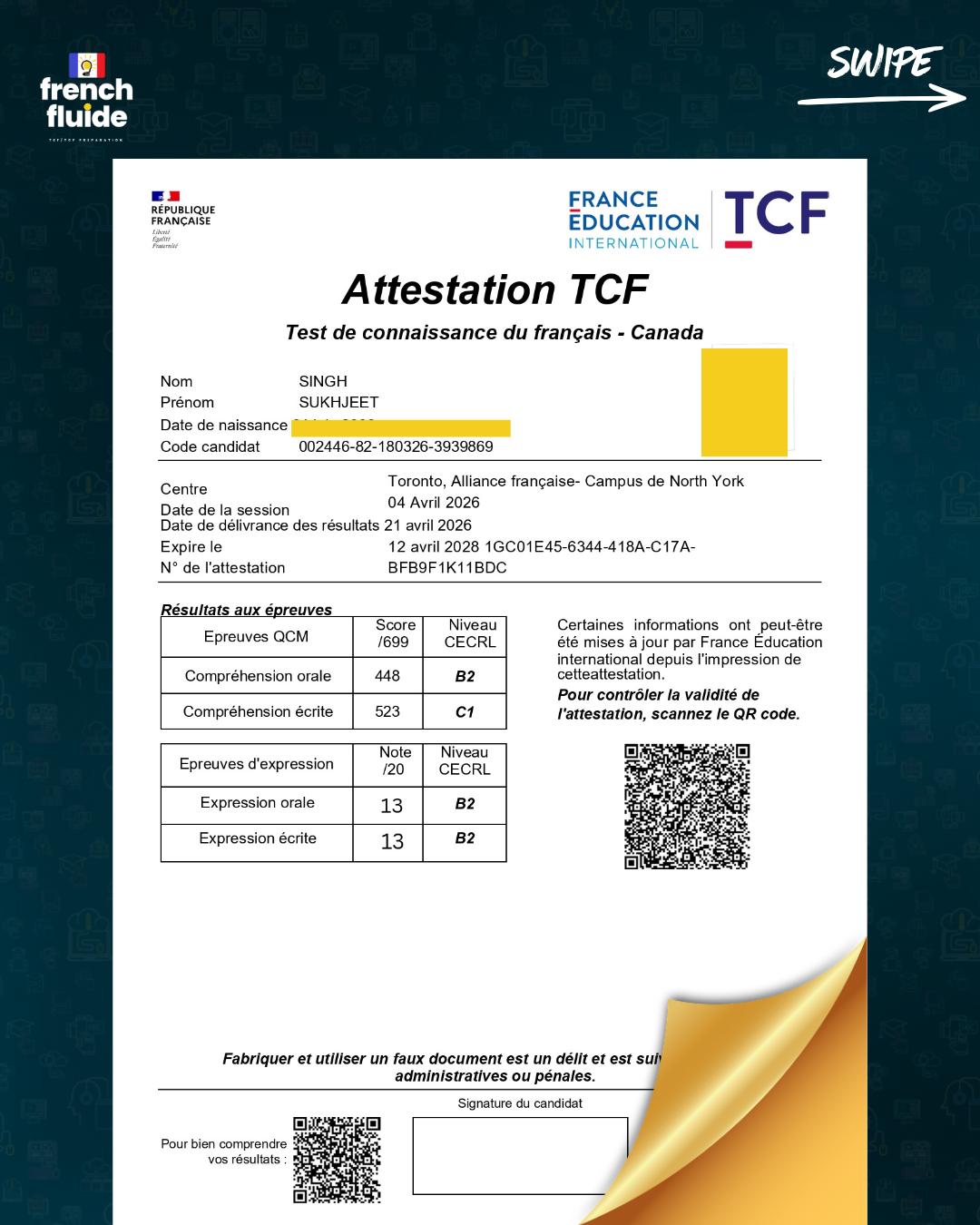
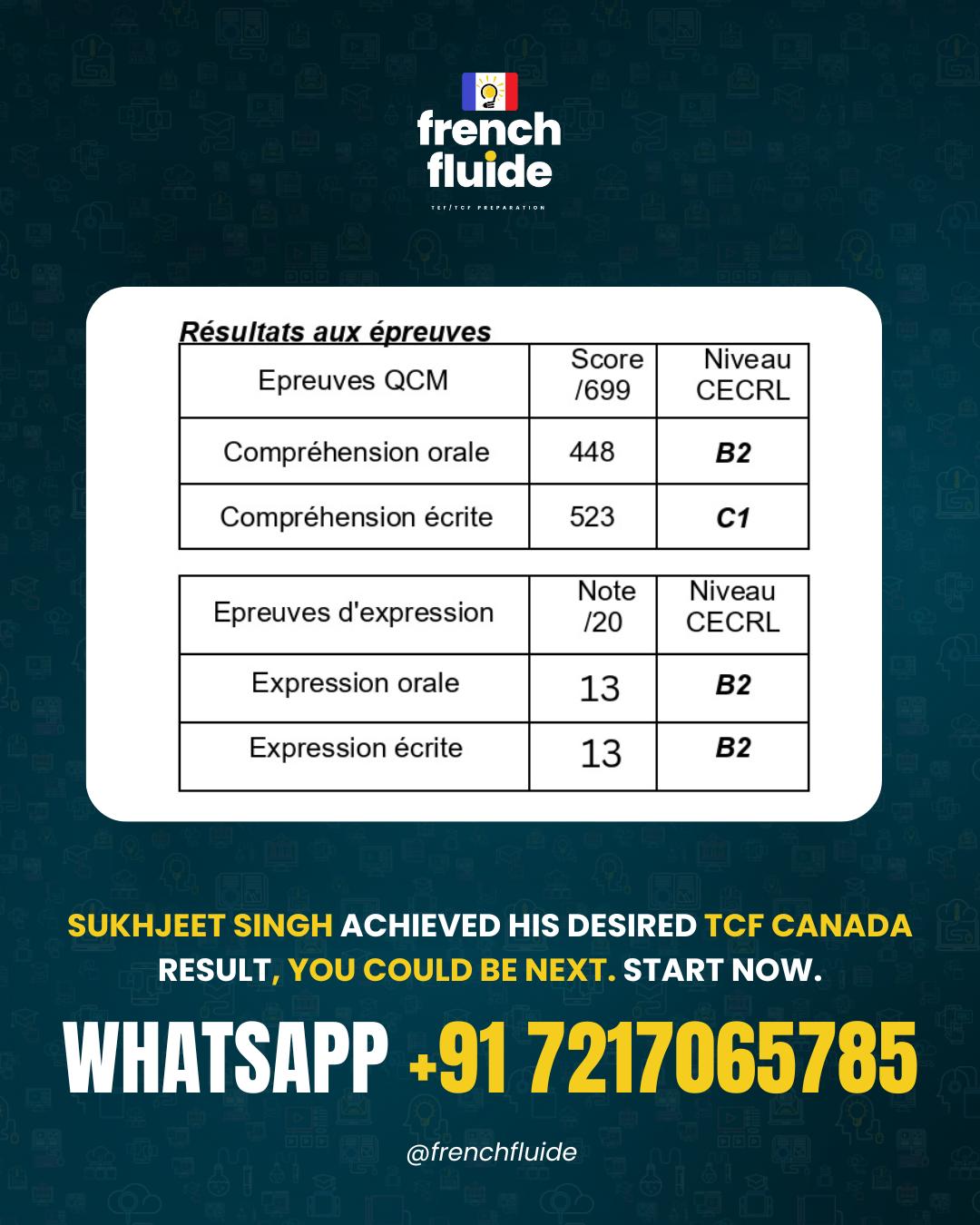
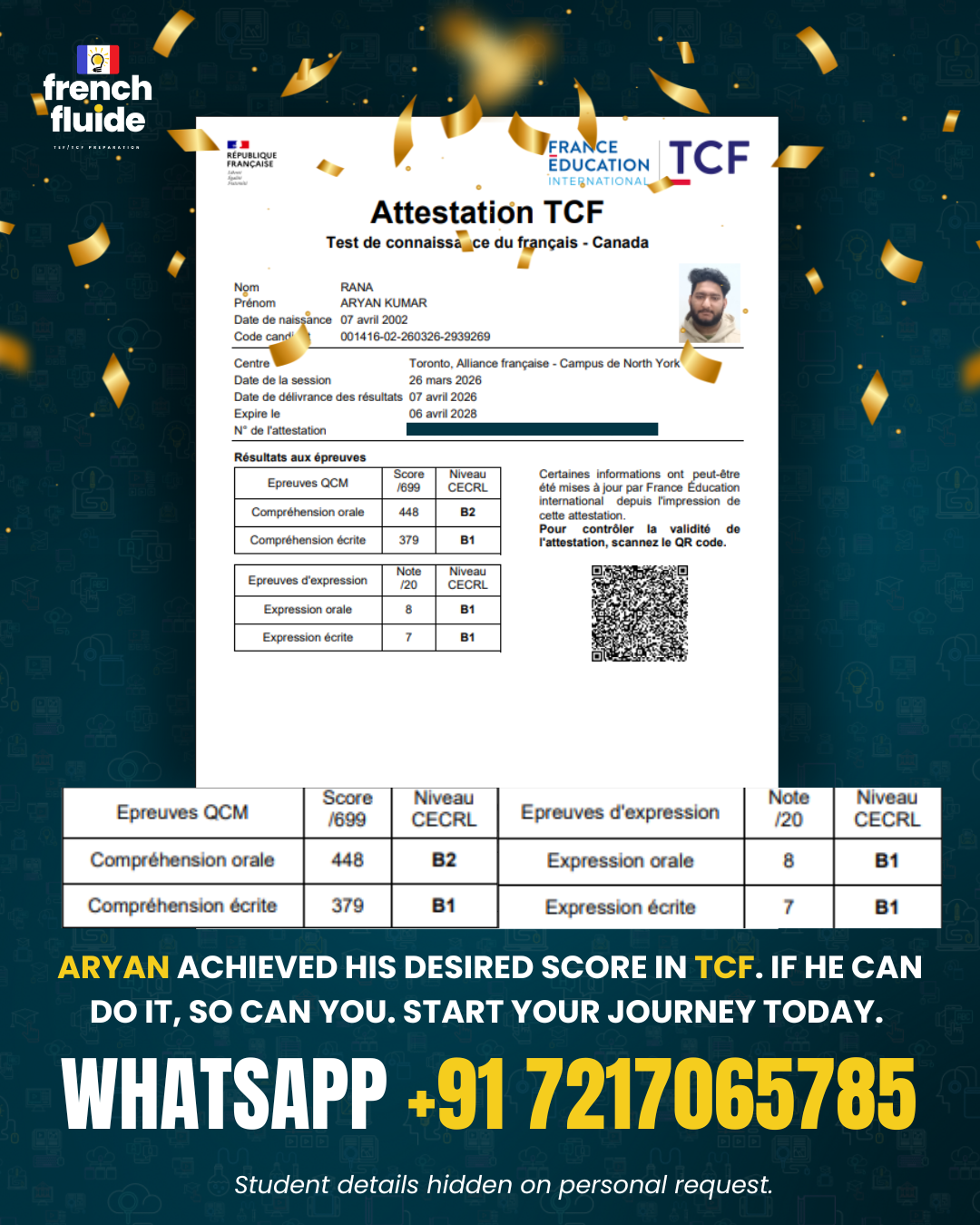
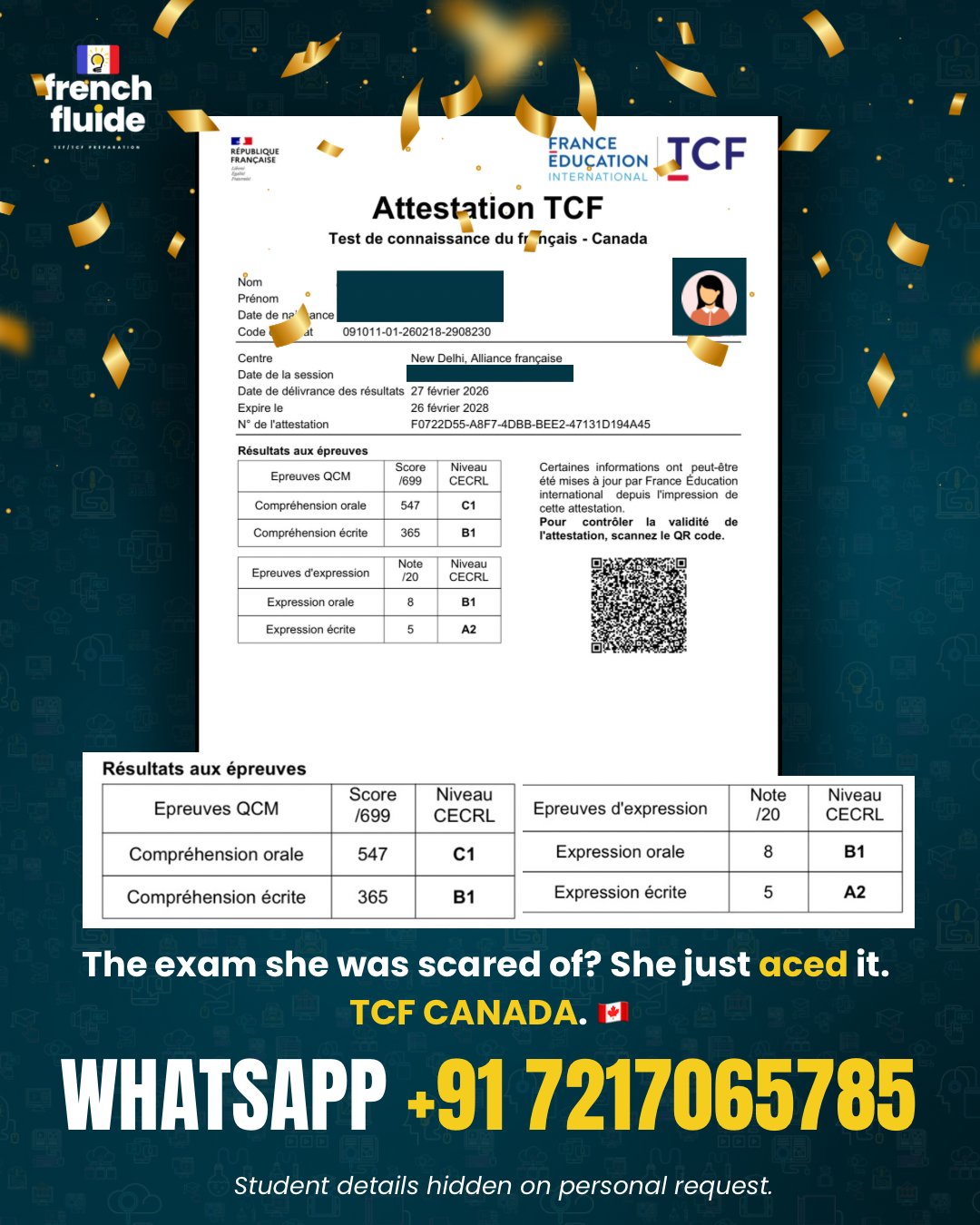
Everything you need to know about the TEF Canada exam — exam structure, scoring, and a clear preparation path for Reading, Listening, Speaking, and Writing.
TEF Canada (Test d'évaluation de français) is a standardized French proficiency test recognized by Immigration, Refugees and Citizenship Canada (IRCC). It is commonly used by candidates applying through Express Entry, Canadian citizenship applicants, and people applying to certain provincial immigration programs who need to demonstrate their French language ability.
Because TEF Canada results are converted into Canadian Language Benchmark (CLB) levels, your performance on the test can directly influence your Express Entry points or eligibility for programs that require a specific French proficiency level. Always check the official IRCC website for the most current acceptance rules and score requirements for your specific application.
TEF Canada evaluates four core language skills. Depending on your application (Express Entry, citizenship, or a provincial program), you may be required to take all four sections or only a subset of them.
Comprehension of written French texts of varying length and complexity.
Understanding spoken French across different contexts and speaking speeds.
An oral interaction assessing fluency, structure, and real-time communication.
Written production tasks that test grammar, structure, and clarity of expression.
Each section of TEF Canada is scored independently, and your results are then converted to a Canadian Language Benchmark (CLB) equivalency using IRCC's official conversion table. A higher CLB level generally reflects stronger, more independent use of French across real-world situations.
Because conversion tables and point requirements are set and updated by IRCC, we recommend confirming the exact score-to-CLB mapping and any application-specific requirements on the official IRCC website before you register for the test.
Effective TEF Canada preparation combines structured learning with focused, skill-specific practice. Rather than studying French generally, successful candidates build a plan around the exact format and demands of each section.
Build fluency through regular spoken practice, work on pronunciation and natural pacing, and learn to structure your responses clearly under time pressure. Reviewing recordings of your own speech helps identify recurring grammar or vocabulary gaps.
Focus on organizing your ideas before writing, using accurate grammar and a range of vocabulary, and practicing within the time limits you'll face on test day. Getting your writing corrected by a teacher is one of the fastest ways to improve.
Train with authentic French audio at different speeds and accents, take notes while listening, and practice answering questions without replaying the audio — this mirrors real test conditions.
Build reading speed and vocabulary through regular exposure to varied texts, and practice identifying key information quickly rather than translating word-for-word.
French Fluide's TEF/TCF course is built around structured, exam-focused learning — combining live classes, mentorship from experienced teachers, and guided practice across all four skills. Instead of generic French lessons, the curriculum is designed specifically around the demands of the TEF Canada format.
Alongside the course, Fluide AI gives you 24/7 access to speaking, writing, and grammar practice, so you can keep improving between live sessions.
Regular mock testing under real exam conditions is one of the most reliable ways to prepare for TEF Canada. It builds familiarity with the format, helps manage time pressure, and shows you exactly where to focus your remaining study time before test day.
Not sure if TEF or TCF is right for you, or want to keep learning outside the exam?